
A Unique ADR Case from an Unexpected Source: Antibiomania Hidden in an Editorial
While reviewing a recently published journal issue, an unusual finding emerged from a section not typically associated with pharmacovigilance insights — the editorial. A rare adverse drug reaction was hiding in plain sight. 🔍
Although editorials are generally not indexed in major medical databases and are not intended to report adverse drug reactions (ADRs), this particular piece revealed a clinically meaningful and rare safety signal — antibiomania — with only around 65 documented cases in the literature.
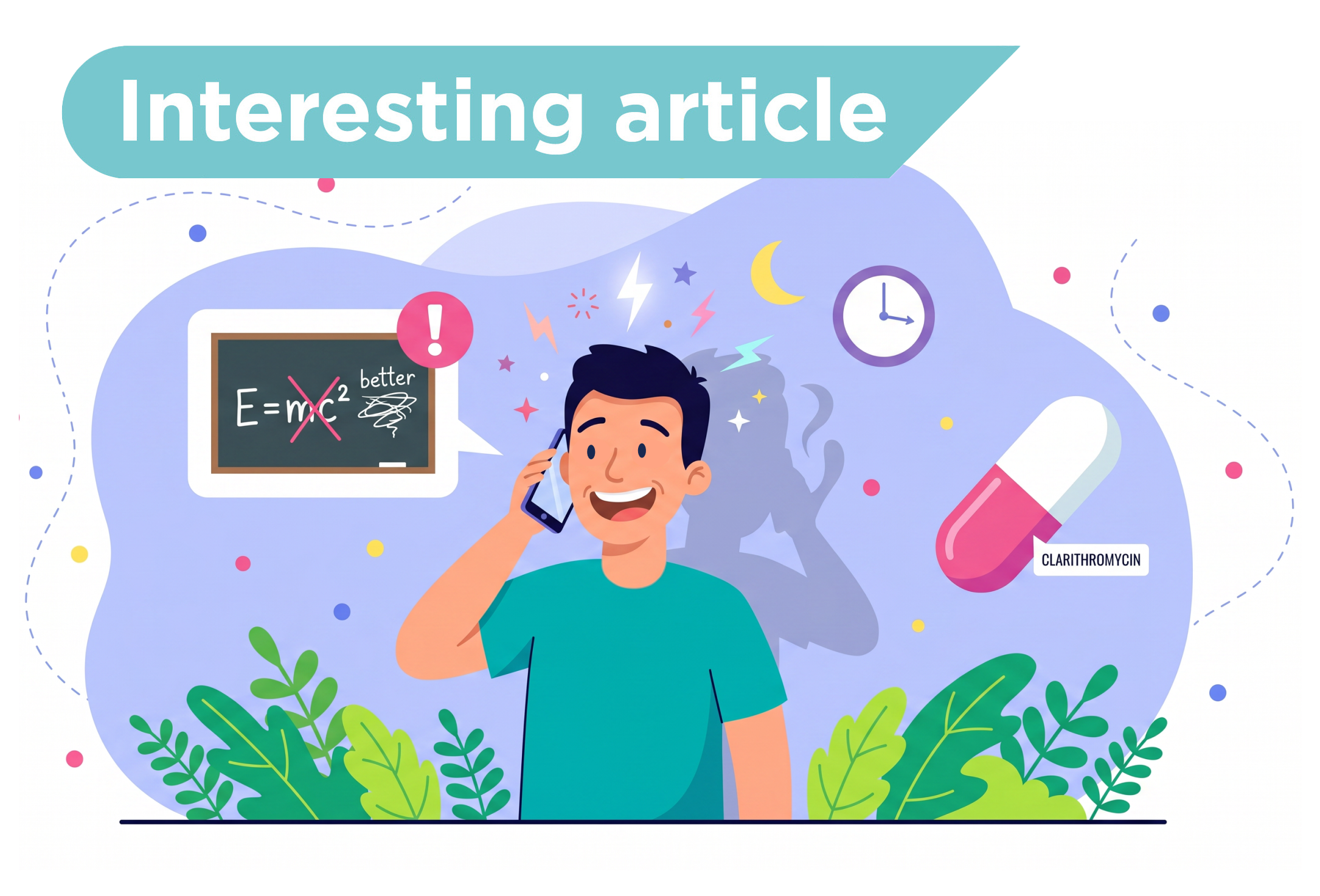
The author of the editorial humorously reflected on intrusive patient phone calls. During one such call, a patient claimed to have solved the fundamental nature of the universe — surpassing Einstein — before midnight. A subsequent coffee meeting revealed clear symptoms of mania, linked to the patient’s recent use of clarithromycin.
The condition escalated into a severe manic episode, including violent behavior. However, the symptoms resolved within a few days after discontinuation of the antibiotic and initiation of appropriate antipsychotic treatment.
Scientific takeaway: 🧠
Antibiotics such as clarithromycin can induce neuropsychiatric adverse effects. Valuable ADRs can be identified even in non-indexed publications such as editorials. Limiting surveillance to indexed databases alone may result in missed signals.
Unofficial takeaway: 😅
When your patient calls at midnight claiming to have outdone Einstein, it might not be genius — it might be antibiomania. The takeaway: always check what antibiotics your patients are taking before ruling out anything extraordinary. 💊
Citation:
Honzák R. Pište také pro nás! Medicína pro praxi. 2025;2:75