Cotard’s Syndrome: When the Mind Believes the Body Is Dead
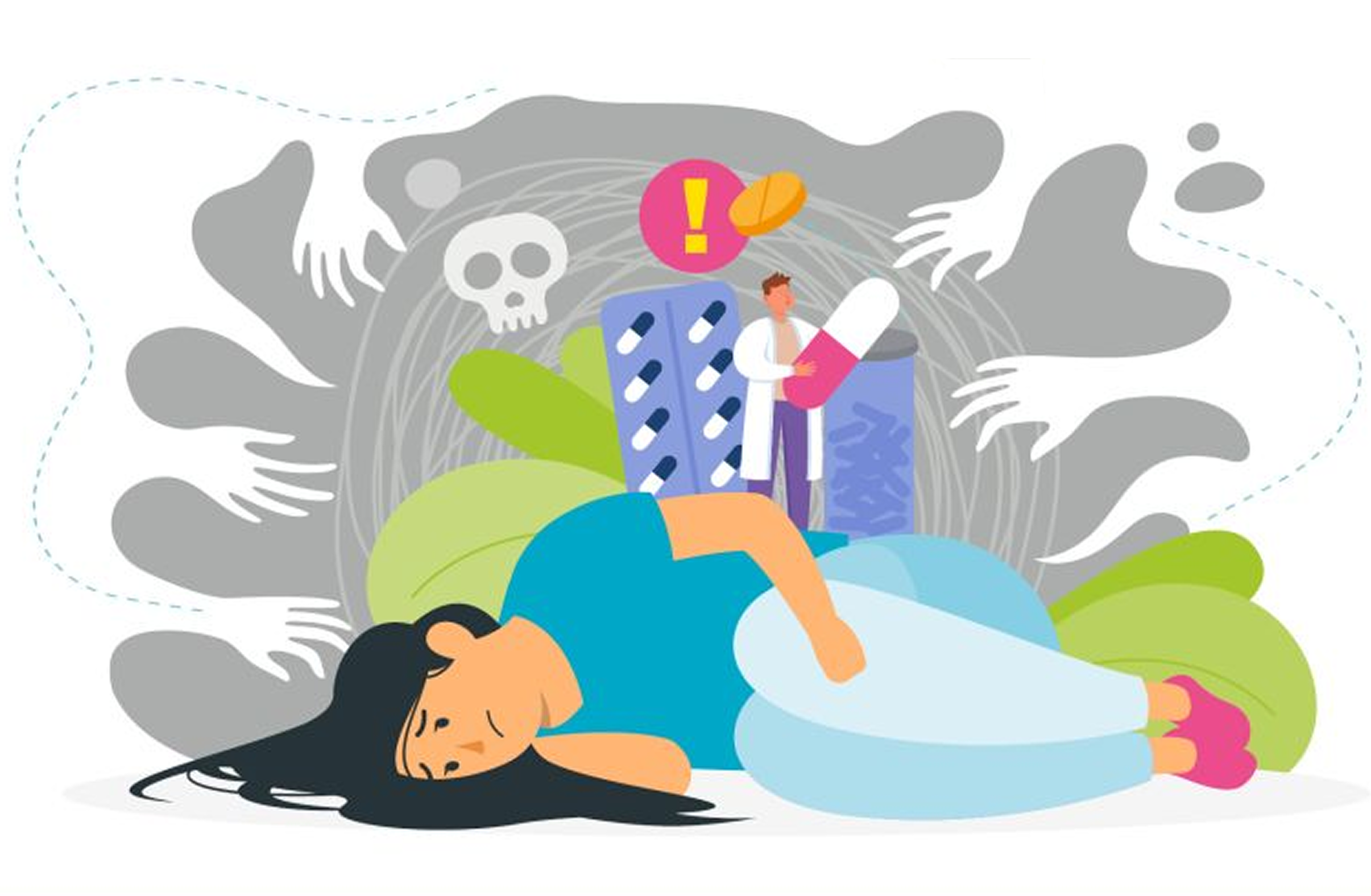
Rare psychiatric conditions continue to challenge both clinicians and pharmacovigilance professionals. One such phenomenon — Cotard’s syndrome — offers a striking example of how deeply altered perception can shape clinical presentation and treatment complexity. 💀
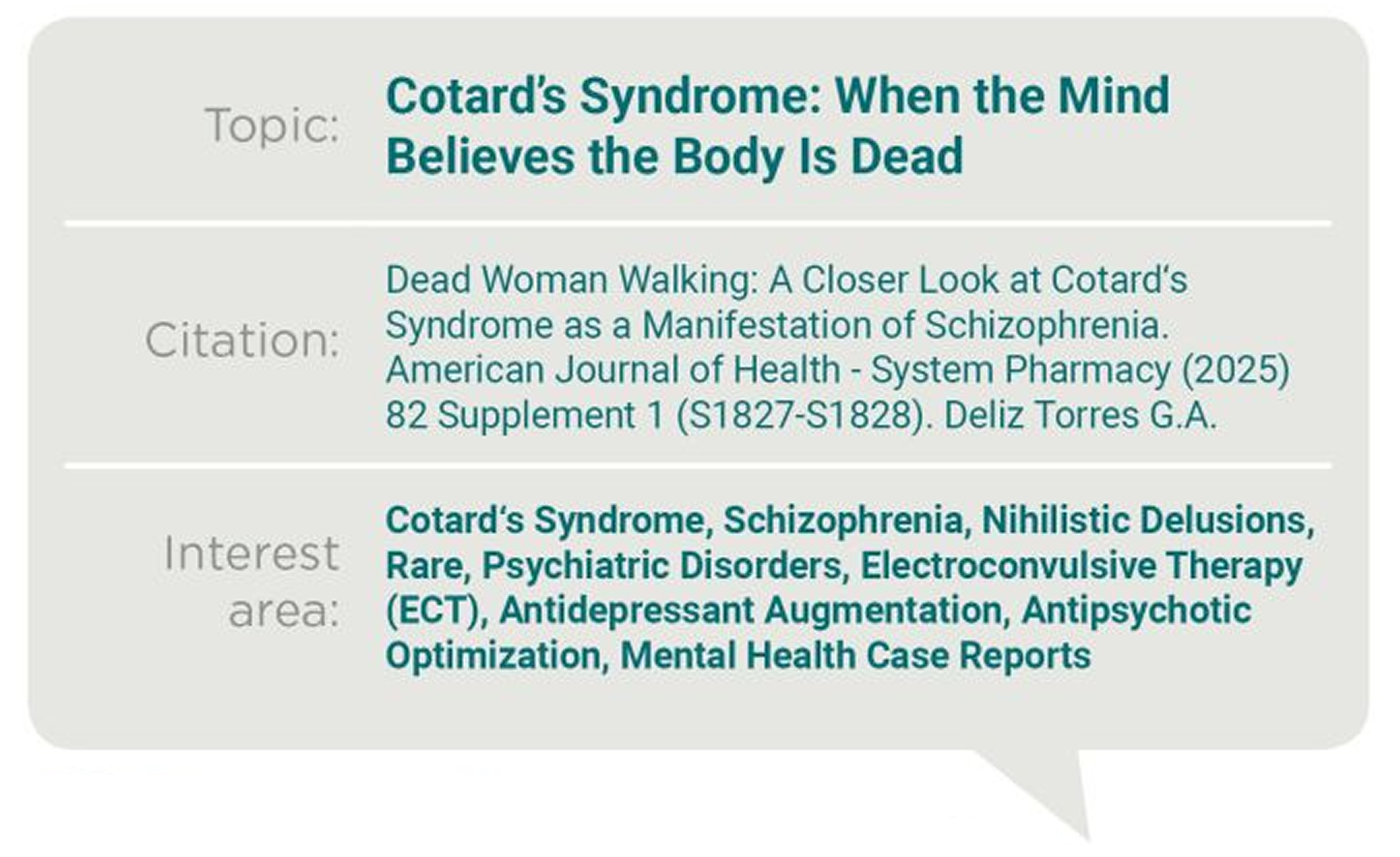
Cotard’s syndrome is characterized by nihilistic delusions — patients may believe they are dead, do not exist, or have lost internal organs. A recent case report published in the American Journal of Health-System Pharmacy highlights the clinical and therapeutic challenges associated with this rare condition.
In the presented case, a 69-year-old woman with a history of schizophrenia developed persistent and severe nihilistic delusions, including repeated contact with a funeral home, requesting to be „collected,” reflecting a fixed belief in her own death.
Initial treatment with haloperidol and lorazepam did not result in clinical improvement. Pharmacy teams recommended optimization of antipsychotic therapy, consideration of antidepressant augmentation (fluoxetine or citalopram), and evaluation of electroconvulsive therapy (ECT) — frequently reported as one of the most effective interventions for Cotard’s syndrome.
Scientific takeaway: 🧠
From a pharmacovigilance perspective, rare psychiatric syndromes may overlap with drug-induced neurotoxicity. Certain medications (e.g. valacyclovir) have been associated in rare cases with neuropsychiatric symptoms resembling Cotard-like presentations.
Unofficial takeaway: 😅
When a patient calls a funeral home to be „collected” — and they’re still alive to make that call — you know you’re dealing with something truly extraordinary. Literature monitoring is never boring. 🔍✨
Citation:
Deliz Torres G.A. (2025). Dead Woman Walking: A Closer Look at Cotard’s Syndrome as a Manifestation of Schizophrenia. American Journal of Health-System Pharmacy, 82(Suppl 1), S1827–S1828.