Be careful when tasting the shark’s meat
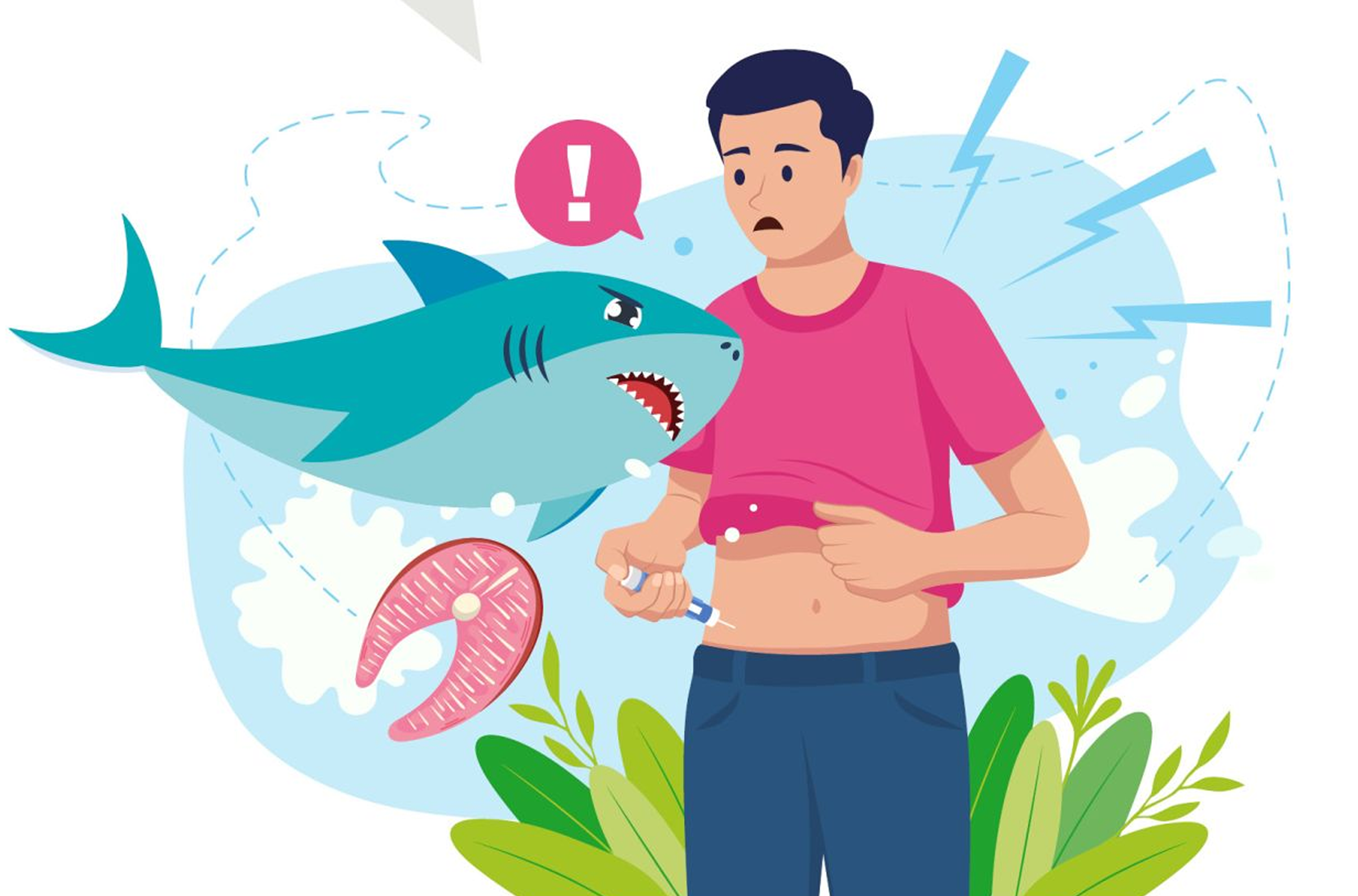
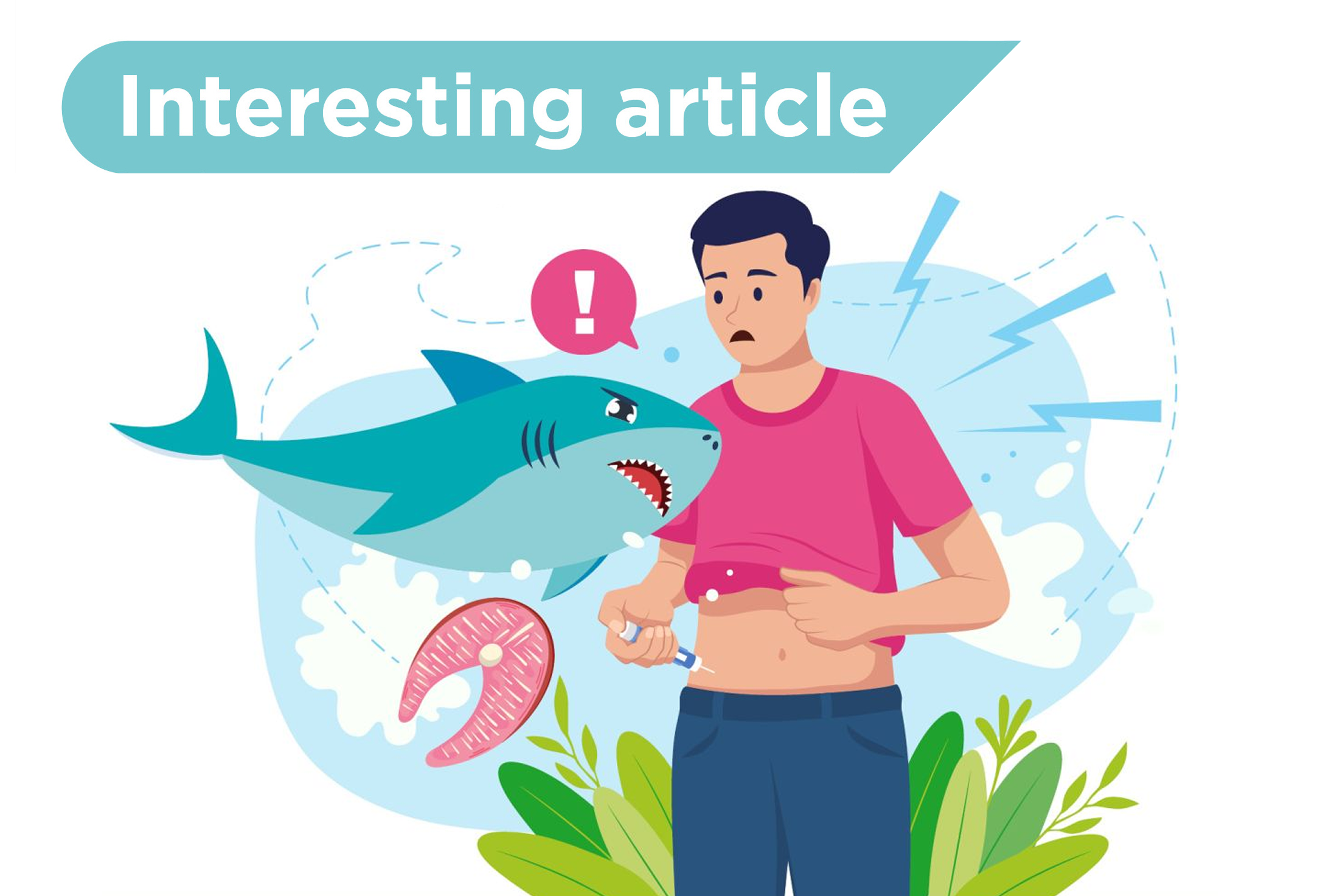
A 69-year-old male with a history of type 2 diabetes mellitus, hypertension, and 🫀 ischemic heart disease developed severe metformin-associated lactic acidosis (MALA) with multiorgan failure — and the culprit turned out to be a traditional Icelandic delicacy. 🦈
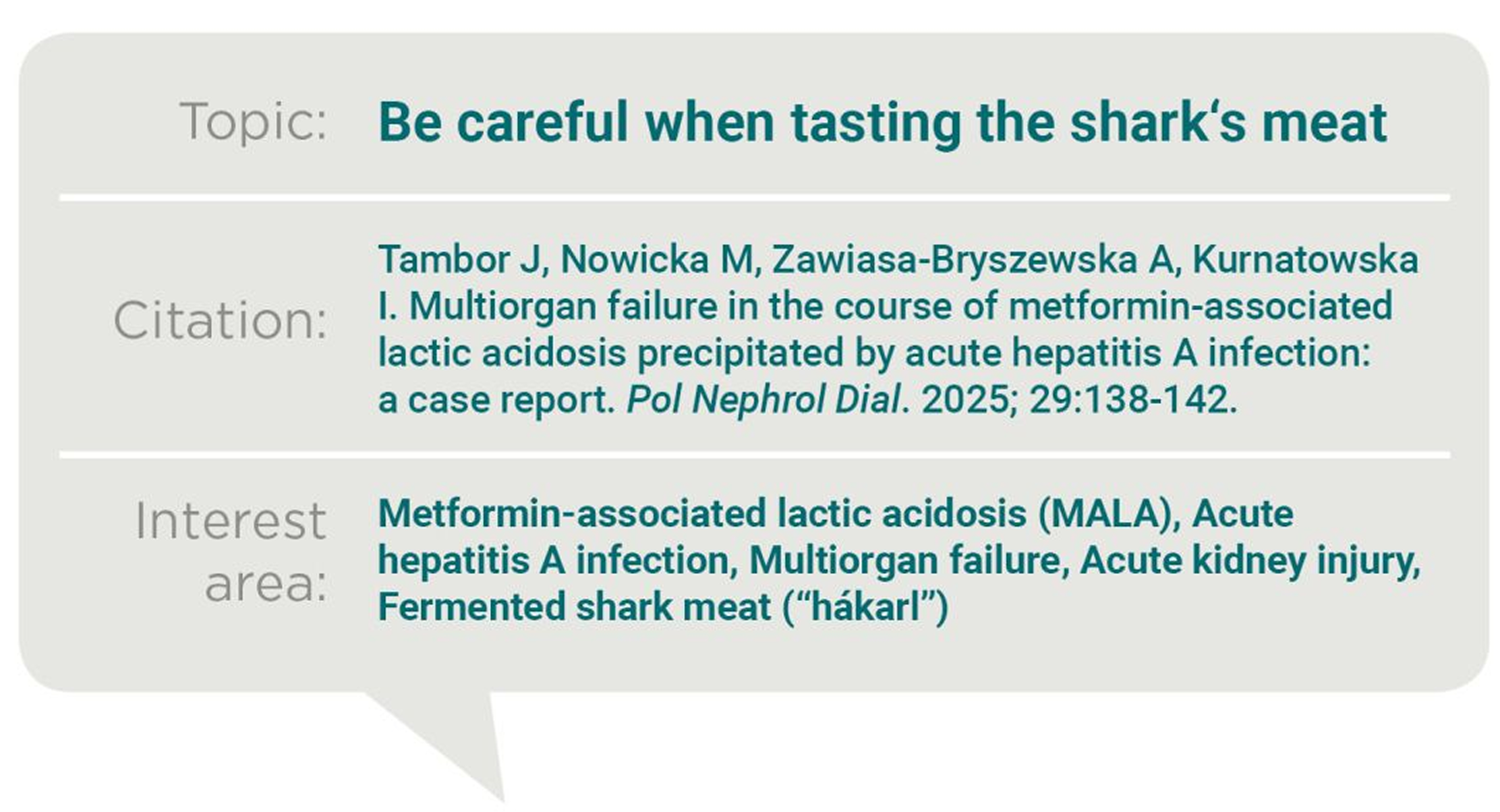
Two weeks before admission, the patient had finished treatment with ciprofloxacin for otitis externa. In the detailed history-taking, he reported transient 🤢 gastrointestinal symptoms following the consumption of 🦈 fermented shark meat („hákarl”) during travel to ❄️ Greenland approximately a couple of weeks before admission. An extended serological evaluation revealed acute hepatitis A, confirmed by positive anti-HAV IgM antibodies.
Taken together, the acute 🦠 viral hepatitis, recent 💊 ciprofloxacin exposure, dehydration caused by gastrointestinal disturbances, and pre-existing comorbidities created a multifactorial environment favouring impaired metformin clearance and the development of profound lactic acidosis. Following intensive supportive therapy, the patient’s clinical condition gradually improved 📈.
Scientific takeaway: 🧠
A traditional Icelandic dish (hákarl) prepared from 🌊 Greenland shark (Somniosus microcephalus) contains elevated concentrations of urea and trimethylamine N-oxide (TMAO), which render it ☣️ toxic if consumed raw. These toxins are degraded only through a prolonged fermentation and 🌬️ drying process. It is plausible that ingestion of improperly fermented hákarl contributed to the development of acute hepatitis due to HAV infection.
Unofficial takeaway: 😅
Next time you’re in Greenland and someone offers you fermented shark — maybe ask about the fermentation process first. Your metformin therapy might thank you. 💊🦈
Citation:
Tambor J, Nawicka M, Zawiasa-Bryszewska A et al. Multiorgan failure in the course of metformin-associated lactic acidosis precipitated by acute hepatitis A infection. Pol Nephrol Dial. 2025; 29:130–138