Marriage and Longevity: A Gender-Specific Effect?
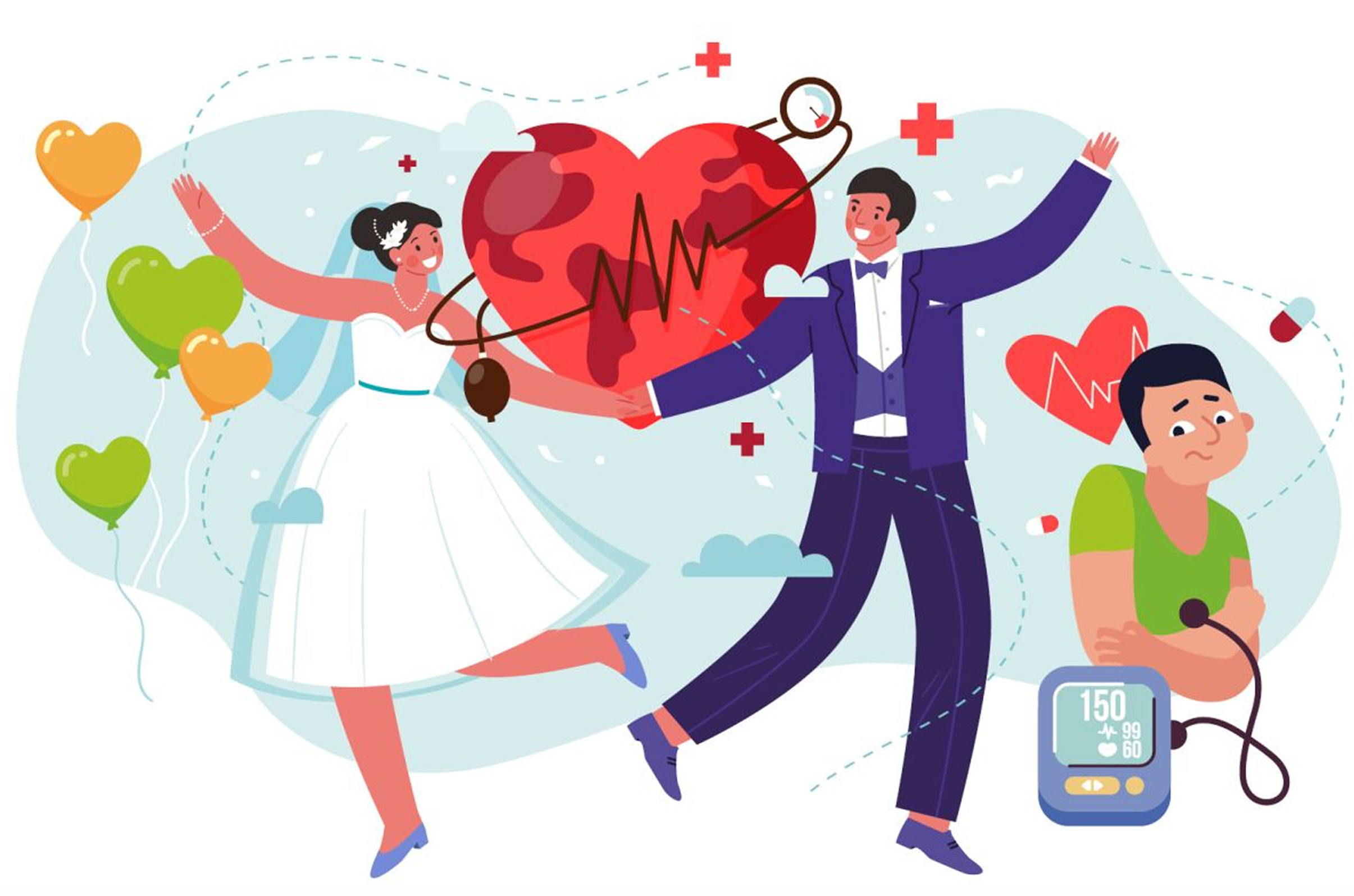
While reviewing medical literature for pharmacovigilance purposes, an interesting epidemiological finding emerged — marital status may significantly influence life expectancy, but this effect appears to be gender-specific. 💑
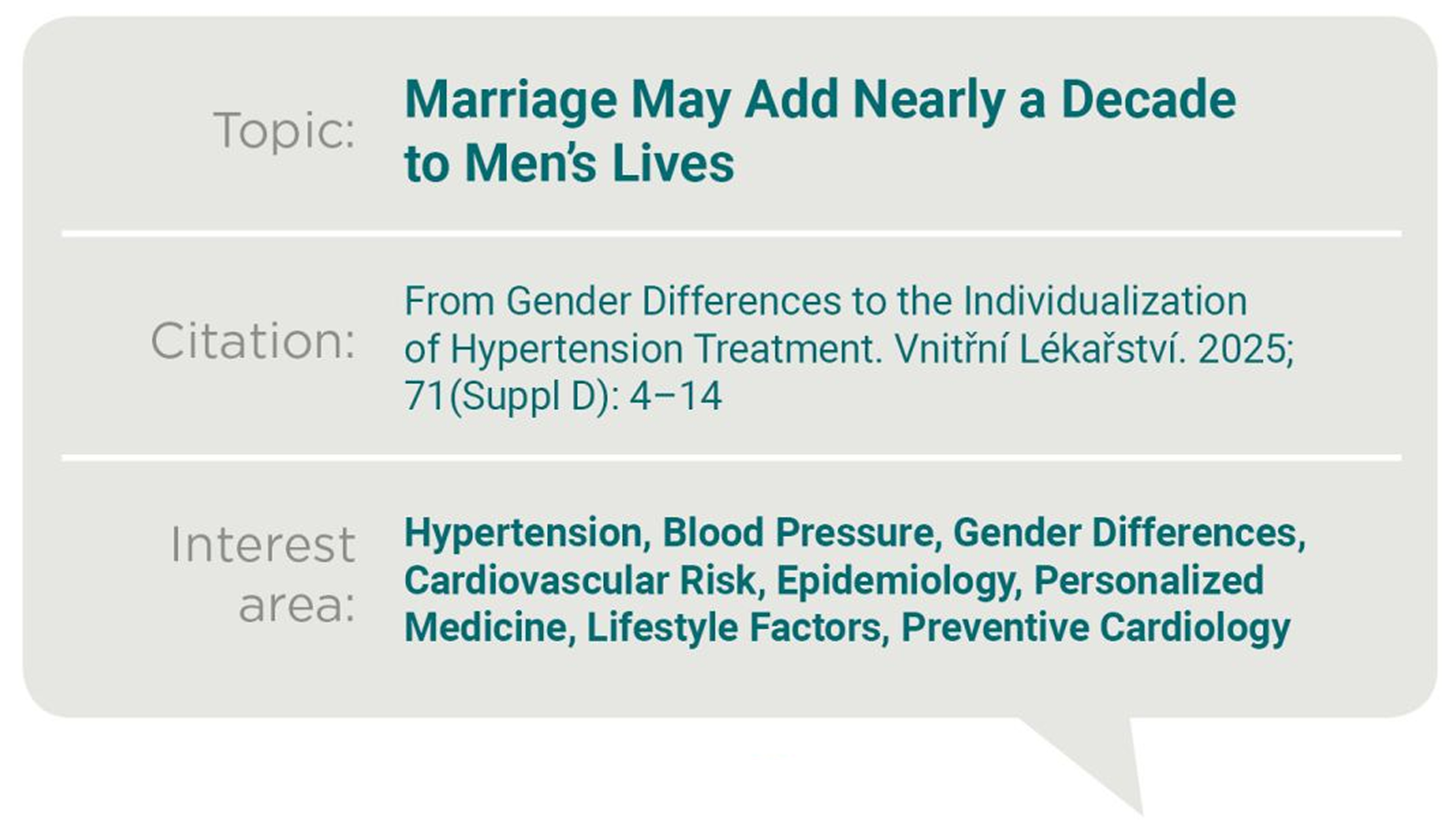
According to the data: married men at age 30 have a 25% higher life expectancy compared to single men, which translates to an average difference of up to 9.7 years. Interestingly, this effect does not appear to apply equally to women.
The study also revealed differences in cardiovascular risk: single men showed a higher incidence of hypertension compared to married men, while single women, in contrast, had a lower incidence of hypertension than married women. These findings suggest that the health impact of marital status may differ significantly between genders.
Scientific takeaway: 🧠
The results reinforce an important concept in public health: long-term health outcomes are shaped not only by biological factors, but also by social and lifestyle determinants. For men, marriage may be associated with healthier daily routines, better healthcare engagement, and increased social support.
Unofficial takeaway: 😅
While causality cannot be assumed, the observed differences highlight the importance of considering social context in cardiovascular risk assessment and preventive strategies. And maybe — just maybe — a happy marriage is one of the best health interventions available. 💪
Source:
From Gender Differences to the Individualization of Hypertension Treatment. Vnitřní Lékařství. 2025;71(Suppl D):4–14